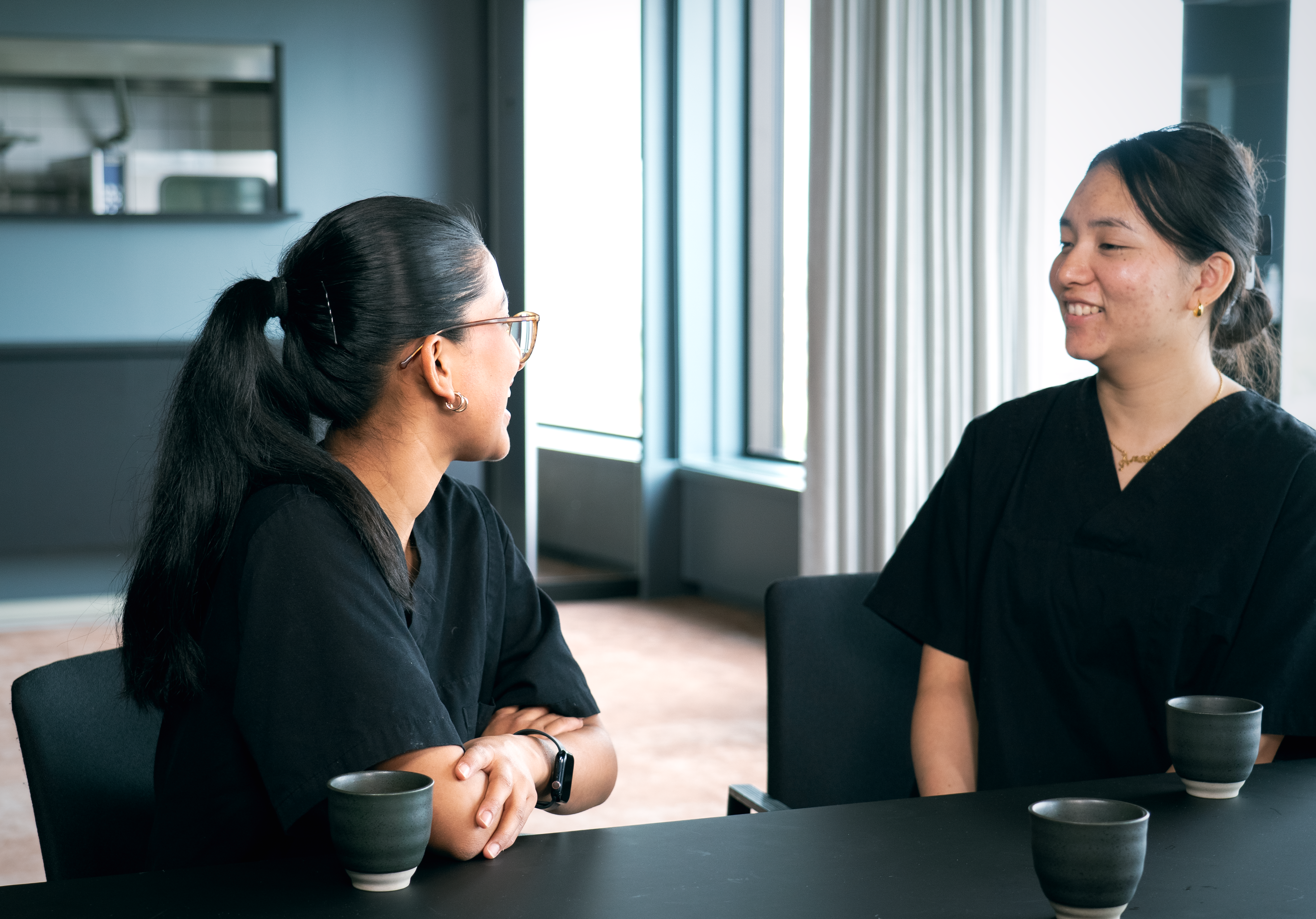
Project on mental health
An Erasmus project, in collaboration with partners from Finland and Sweden.
This project also focuses on strengthening mental health in the workplace by engaging in dialogue with employees, aiming to enhance intercultural understanding and communication.
The focus here is more international, and it attempts to convey the cultural context of a Nordic workplace to the target audience, to help them integrate better and engage with their colleagues.
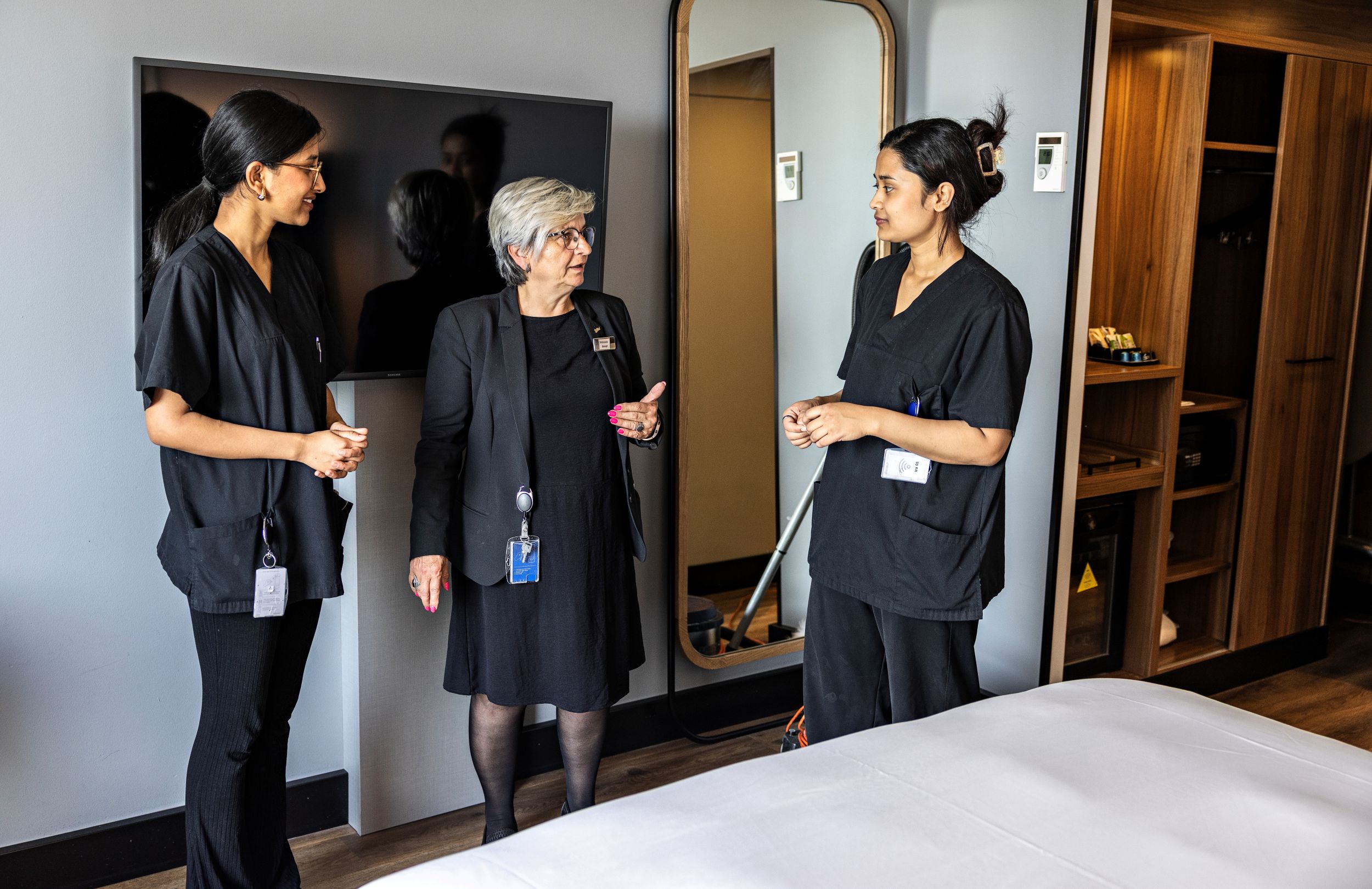
Upskilling in Hospitality
This project collaboration has been established with organizations from Belgium, Croatia, Germany, and Slovenia.
The main focus of the project is to develop upskilling onboarding materials for the hospitality sector, available in the partner countries’ languages, as well as the most common languages spoken by employees in the hospitality sector.
Many of these employees come from third countries and may have limited schooling. Therefore, it is important to ensure they receive proper training before being assigned to work.
Upskilling in healthcare
This project is also an Erasmus project, in collaboration with a Swedish organization.
The aim is to improve opportunities for a target group of immigrant women in the Copenhagen and Malmö areas to pursue education that enables them to take on tasks in the healthcare sector.
The plan is to help a target group that tends to have issues entering the labor market, due to problems like language barriers. We want to break down this barrier and help them get a job, while alleviating pressure on existing healthcare staff.
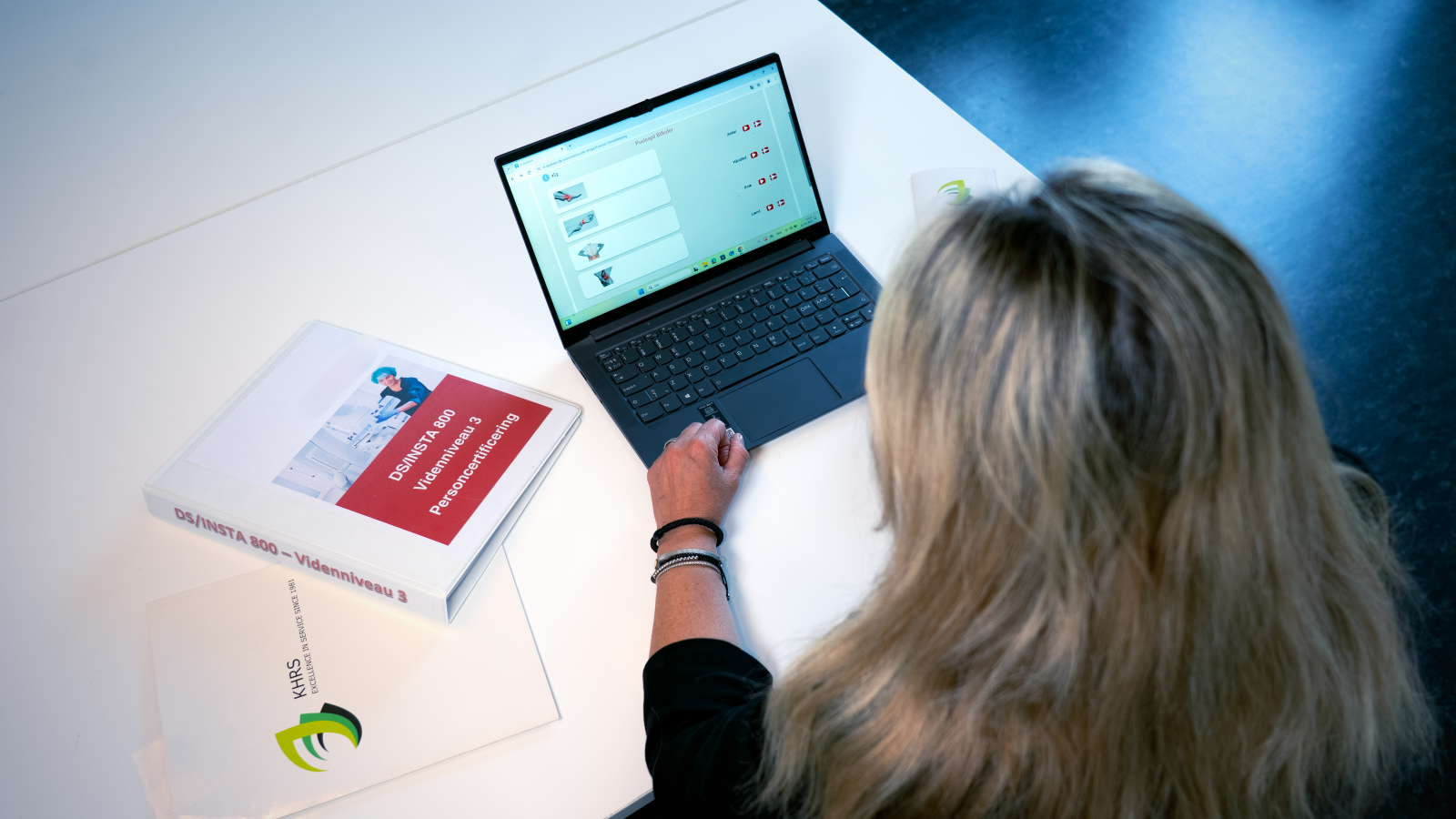
Upskilling Ukrainian refugees
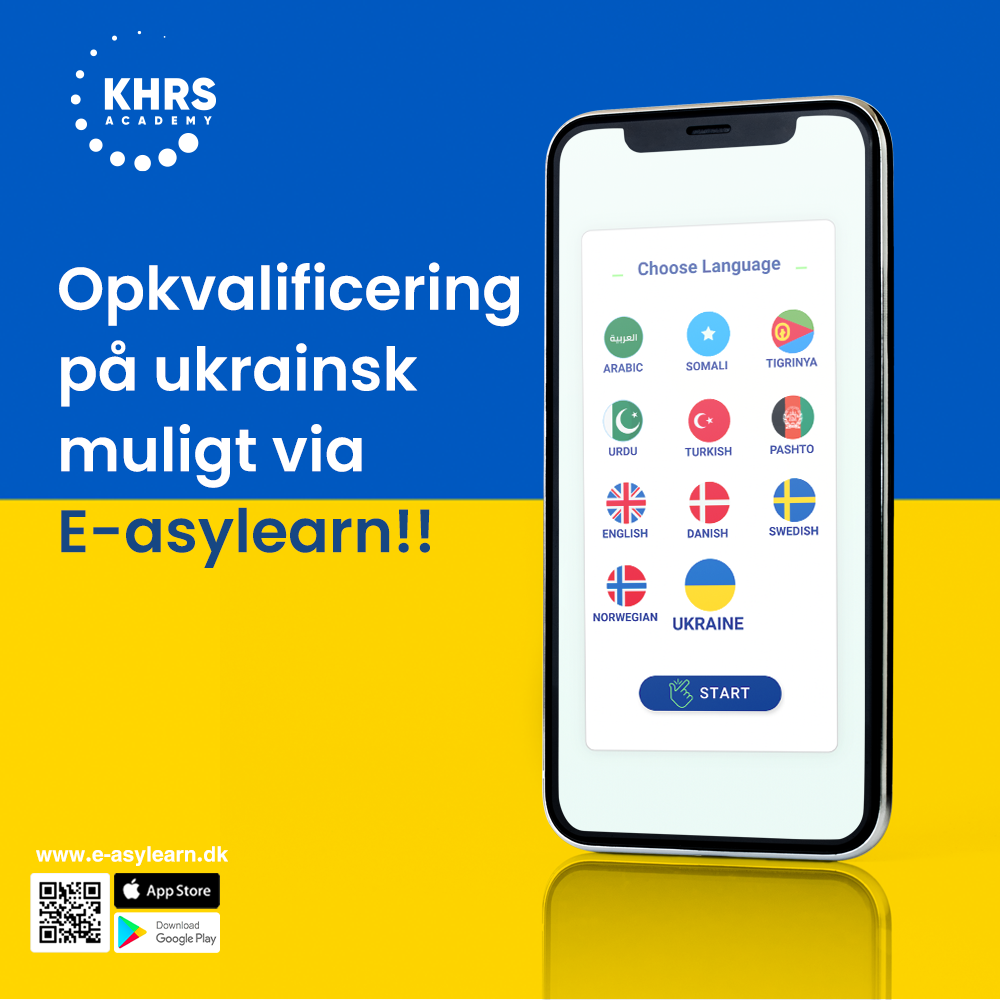
In this project, KHRS collaborates with organizations from Sweden, Poland, Denmark, and Ukraine to make the integration process easier for Ukrainian refugees in the respective countries.
The project funds have been applied for through Erasmus. The goal is to provide upskilling courses for Ukrainian refugees in the fields they primarily work in within the participating countries, as well as offer them societal onboarding regarding digital systems, culture, etc.
Velliv Project
A project aimed at improving mental health in the workplace, established through the Velliv Foundation, in collaboration with Human House.
The project started in 2025, with well-being conversations among management and employees.
One of the main objectives is to provide employees with tools to improve their intercultural understanding and collaboration in a workplace with many different cultures and nationalities.
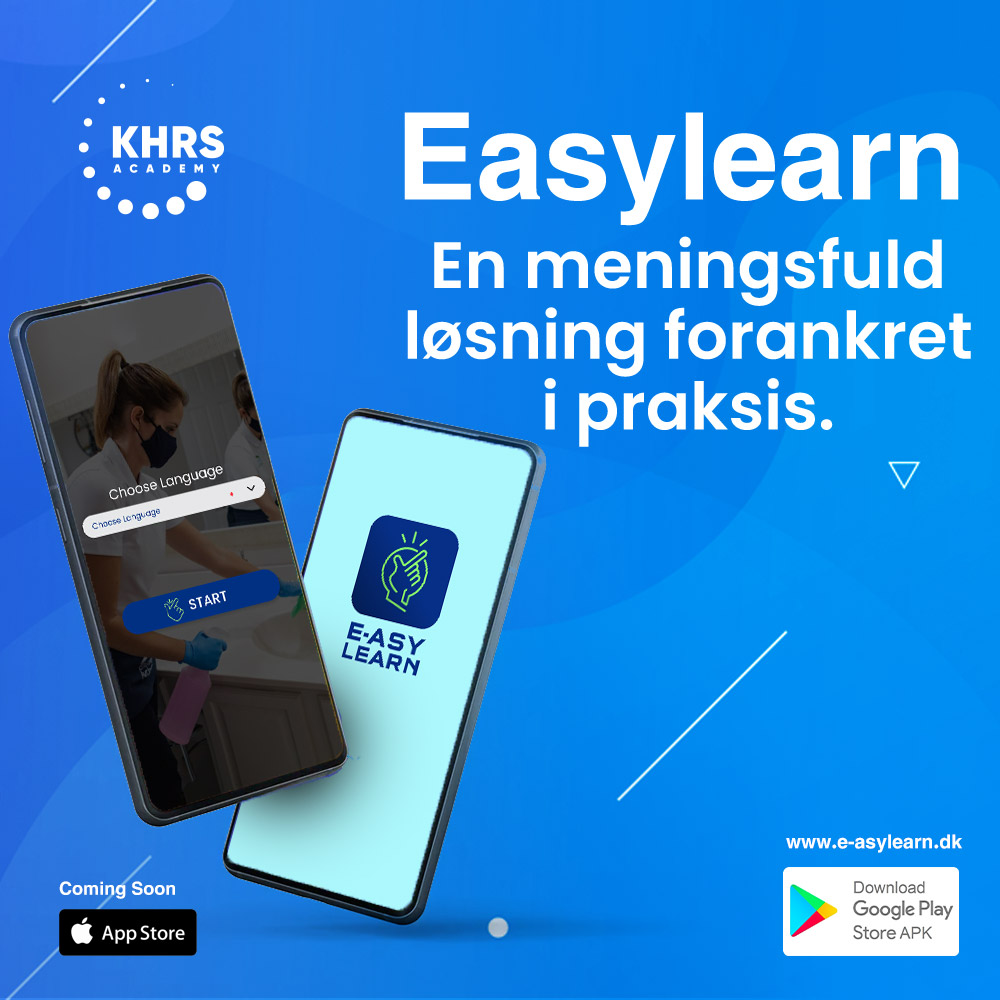
Pilot Project - E-asylearn
Intention
The overall intent of the project is to improve the skills and competences of both employed and unemployed citizens, such as their social, language and professional skills. The project has participation of a keyworker, who works with the target group as an attempt at bringing them closer to he labor market through upskilling. The ambition is to make immigrant citizens well equipped for the Danish labor market, by presenting them demands and expectations, with motivation, development and retention as key words.
Description of the project
In this project, the participation of selected municipalities is free. The specific municipality can have 5-10 participants during the start-up phase.
There is no limit to the number of courses one participant can take. The participant has access to the course for 30 days. The final test lasts for 1 hour.
So far, 14 municipalities and 1 organization are participating.
Target Group
All unemployed and employed immigrant citizens who are in need of upskilling and improvement of competences. There are NO requirements of Danish education or similar.

The Gribskov Model - 44 point
Our inspiration comes from Sweden, where a similar project, “Integration I Sommenbygd” saw success.
The idea behind teaching and upskilling started back in 2006, where we, in cooperation with Gribskov Municipality and the Ministry of Integration developed a special teaching model, better known as “The Gribskov Model 44 Point.” The model was targeted a specific group of women from non-Western countries.
The women had larger language, health, and social limitations, preventing them from working. The collective effect of employment was 60%.
The Point 44 model was developed for the ‘Industry Package Model’, which various municipalities use today – specifically for upskilling and integration on the labor market for unskilled refugees, family reunifications and long-term unemployed.
More specifically, this was a 12-week upskilling course, with a subsequent 4-week internship with the intention of preparing for ordinary jobs in the cleaning- and hotel industry. The results were promising, as 6 out of 10 participants achieved employment at the end of the project. 12 months later, all 10 participants were employed. For a different course, 5 out of 6 participants were employed in ordinary jobs and 3 months later all 6 were employed.
For the participants, the project incurred a big change in their lives, as many of them were lacking motivation for work. But at the end of the project, everyone was employed and could see the value of working and being self-sufficient. The project also changed their life situation in a way that they could break with traditional family patterns. Thus, they went from being stay-at-home-mothers, to become active citizens with ambitions for themselves and their families.
Job as a goal
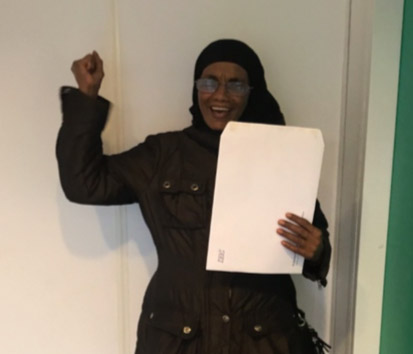
In 2007, we entered a cooperation with Hvidovre Municipality for a similar project. The project was targeted at long-term unemployed women with a background of different ethnicity than Danish, in all ages with health problems. We succeeded at finding employment for more than 50% of the women.
The participating women typically had a lack of knowledge and experience with the Danish labor market.
The intention of the project was to improve the motivation of the participants. This would help them get a job and see the benefits of working and being self-sufficient.
Project ”Business Center”
The project was launched in 2008 in cooperation with Copenhagen Municipality. This project was a upskilling action, targeted at the weakest unemployed groups, with poor or no qualifications, as well as long-term unemployment.

New Ressources
In 2016, KHRS ApS, Copenhagen Muncipality and Jobservice Denmark (STAR), developed the upskilling program “New Resources”.
KHRS’ results from the period 2016 until December 2018 are listed below:
– 96 candidates from various municipalities started the program.
– 74 candidates achieved employment with wage subsidy.
– 55 candidates achieved regular employment.
The project was a specially planned program targeted at refugees and family reunification migrants with language difficulties. They had zero to limited industry experience and lacked knowledge of the Danish labour market. The reasoning behind the project was to upskill the participants for them to manage jobs in the kitchen, restaurant, and canteen industry, along with hotel service, cleaning, and real estate service. The goal of the project was an ordinary job at KHRS or another company.
The program, which lasts 12 weeks, is planned individually as a combination of Danish classes, introduction to the Danish labour market, and a practice in the shape of an internship. During the program, the participants will be followed by a mentor, with the possibility of purchasing additional mentor hours when needed.
Motivation for the Labor Market
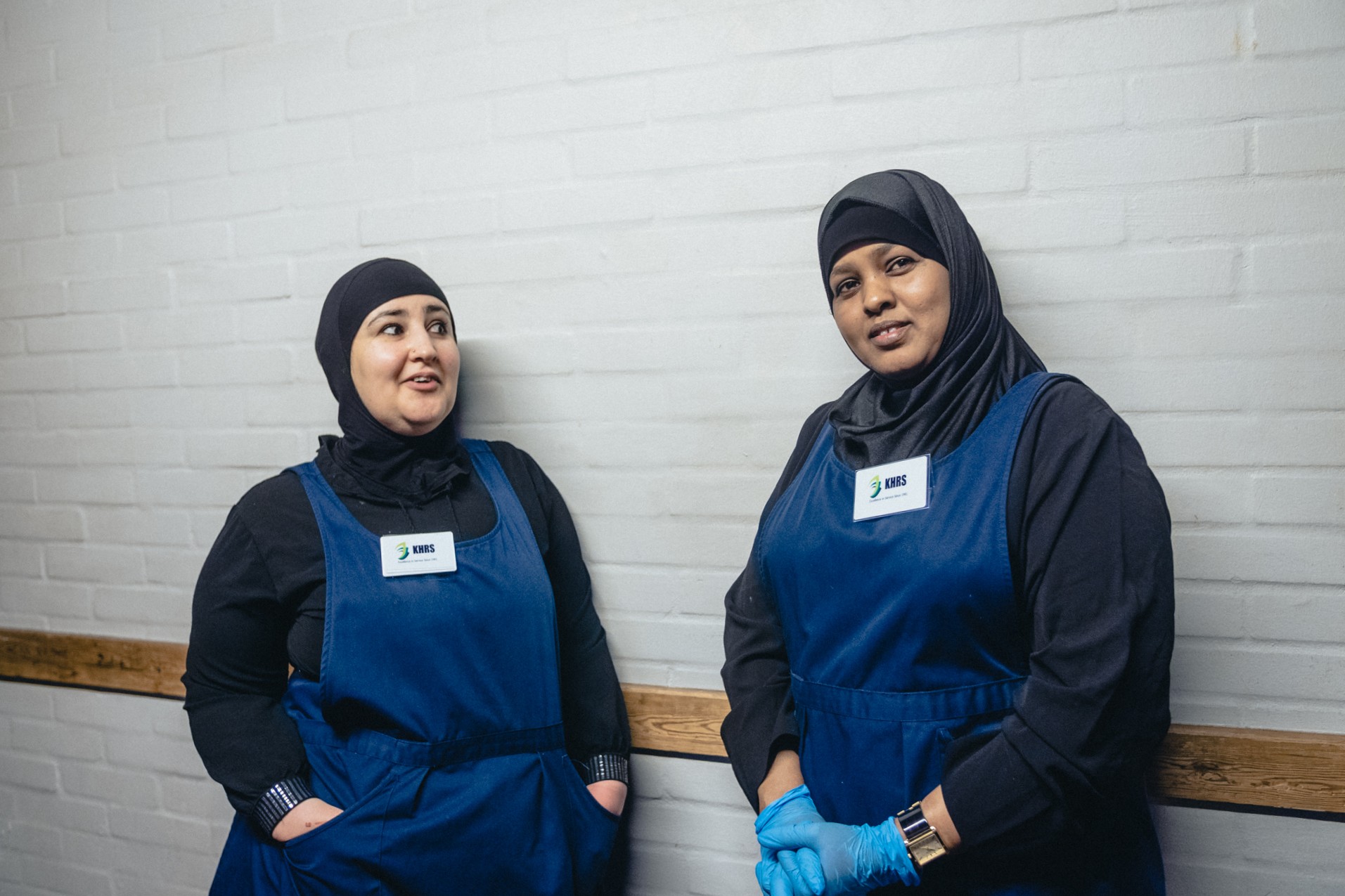
Project MTA is a project where KHRS, in close cooperation with several municipalities, has the task of getting refugees, recipients of cash assistance and recipients of unemployment benefits connected to the Danish labour market through practical and theoretical upskilling in the cleaning industry.
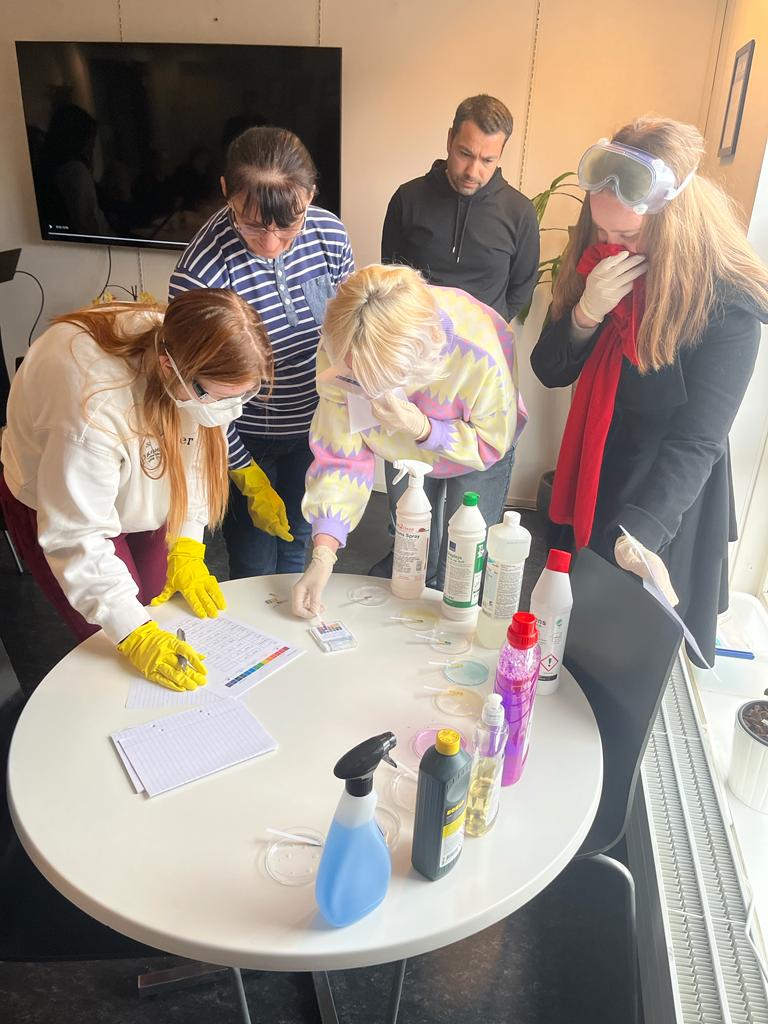
KHRS starts by placing the participants in company practice in KHRS’s own training rooms with authentic furniture and facilities from the service industry. This creates a unique understanding of the industry, and the participants gain increased skills through intensive training in concrete work routines, cleaning products, ergonomics and first aid.
In general, a massive individual tutoring effort by bilingual trainers.
We draw on our experience from Point 44 = work, by having concrete work tasks, such as cleaning a hotel room in our fictional hotel room, in our classrooms. Our experience tells us that it gives participants more confidence to initially only perform work tasks in these rooms until they feel equipped for the real workplace. We will continuously train, demonstrate, coach, and motivate participants. The integration will not only lead to a connection to the labour market but also to a great extent to the improvement of the participants’ knowledge of the Danish language, as they will get to practice it on a daily basis, but also to a joy of life by contributing to society, pride in being able to support one’s own family as well as meeting other people, they will get a circle of friends, and a reason to get out of bed every day.
Industry Specific Training
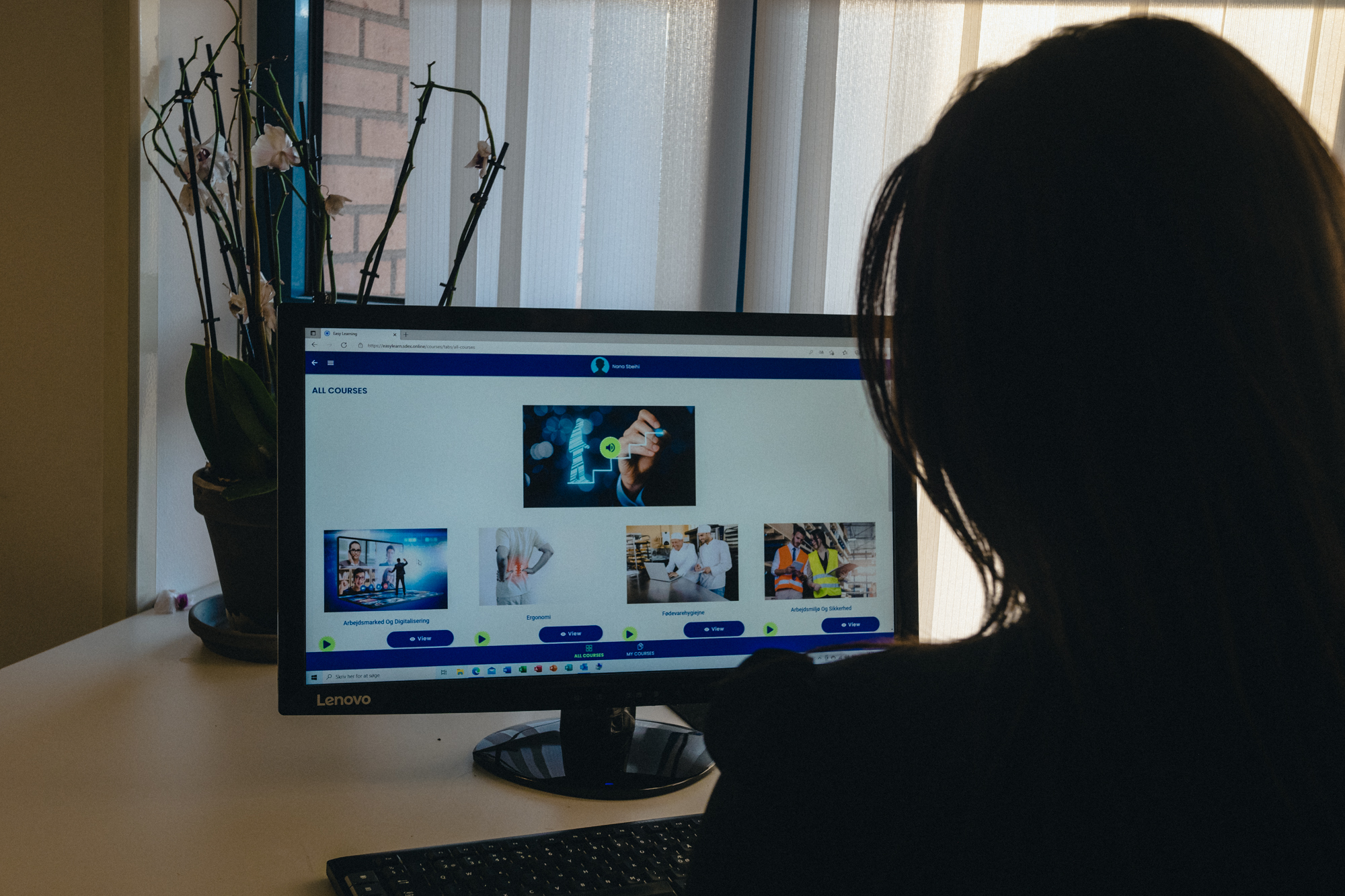
KHRS teaches ‘Industry Danish’ both at the workplace and KHRS’ classrooms, targeted at work in the service industry. The target group is refugees and family members with a language barrier who participate in upskilling and internship programs at KHRS, resulting in the retention of these employees. Industry language is compulsory for employees with language barriers in the various programs in KHRS and have difficulty understanding work instructions and training in Danish.
The program includes various elements: teaching the industry’s words and phrases in Danish, translation and support in the mother tongue, guidance on Danish training, testing, evaluation, registration of students’ attendance, progress measurement and reporting to the job centre. KHRS teaches in Danish supported by teaching materials developed by KHRS in the following languages: Arabic, Urdu, Kurmanji, Swahili, Kurdish, Turkish, Dari, Farsi, and Tigrinya. In addition, visual teaching methods in the form of pictures and video are also used, so the teaching can be adapted to all levels from illiterate to highly skilled. We organise the language course according to the needs of the student. We tailor a program to suit everyone using trainers, mentors, inspectors, and peer tutors.
Målgruppen for undervisningen i branchedansk er flygtninge og familesammenførte med sprogbarrierer, der deltager i et opkvalificerings- og praktikforløb hos KHRS.
Formålet med undervisningen er at deltagerne skal få en større forståelse af hvordan en dansk arbejdsplads fungerer, samt introduceres til branchens fagsprog.
Projektet har også til formål at fastholde deltagerne på arbejdspladsen
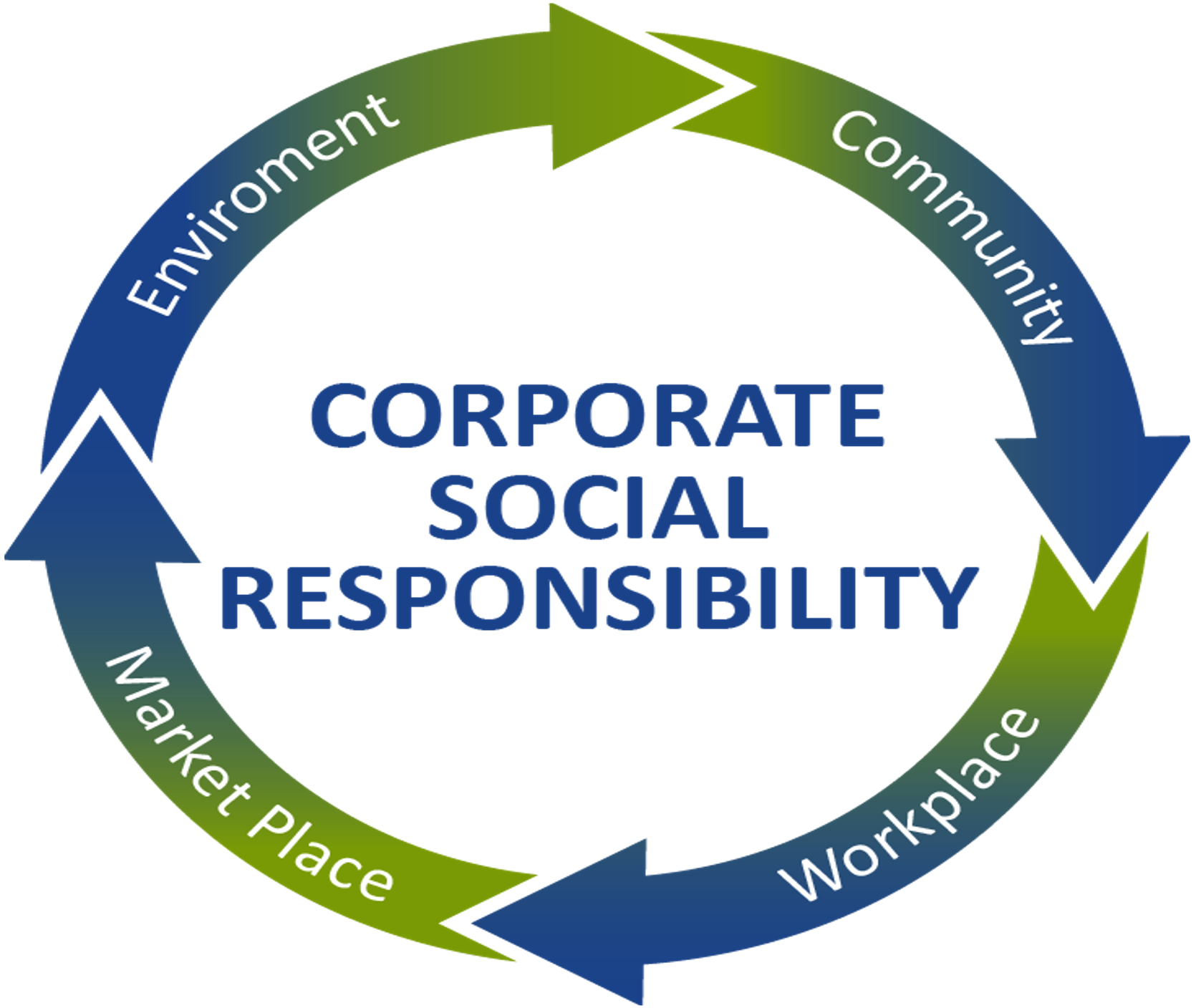
CSR-project
The project is supported by star, with the intention of helping citizens who are far away from the labour market, into employment through upskilling and a holistic approach. The goal is for KHRS to help 50% of the 35 candidates participating into employment. KHRS has achieved helping 75% of the participants into employment. These are divided into:
- 13 men who have achieved regular employment.
- 12 non-Western immigrant women, who have achieved regular employment or a job with wage subsidy.
The goal of the project is to clarify and strengthen the competences of the participants, in relation to upskilling for different industries that need workers – primarily in the service industry.
During the course, the participants will be associated with bilingual teachers, mentors, and supervisors. Furthermore, KHRS will arrange seminars for small and medium-sized companies, where KHRS will explain our experiences with working with the target group of the project. The participants can try out different types of jobs, for them to have the best match by the end of the project. Employment of the participants, either with wage subsidy or regular employment, will happen after 3-12 weeks, depending on the candidate.
Code of Care
KHRS participates in Copenhagen Municipality’s Code of Care, by taking initiative and helping vulnerable citizens, as well as citizens that are lost in the system and not a part of the labour market.

Change Track - STAR
The project is supported by STAR and helps employees to find a new job if they are too worn down to maintain their current position. The project has been running since the 1st of September 2020 and has so fair had 20 participating employees. The majority of the employees chosen to participate in the project by KHRS, have more than 15 to 30 years of seniority.
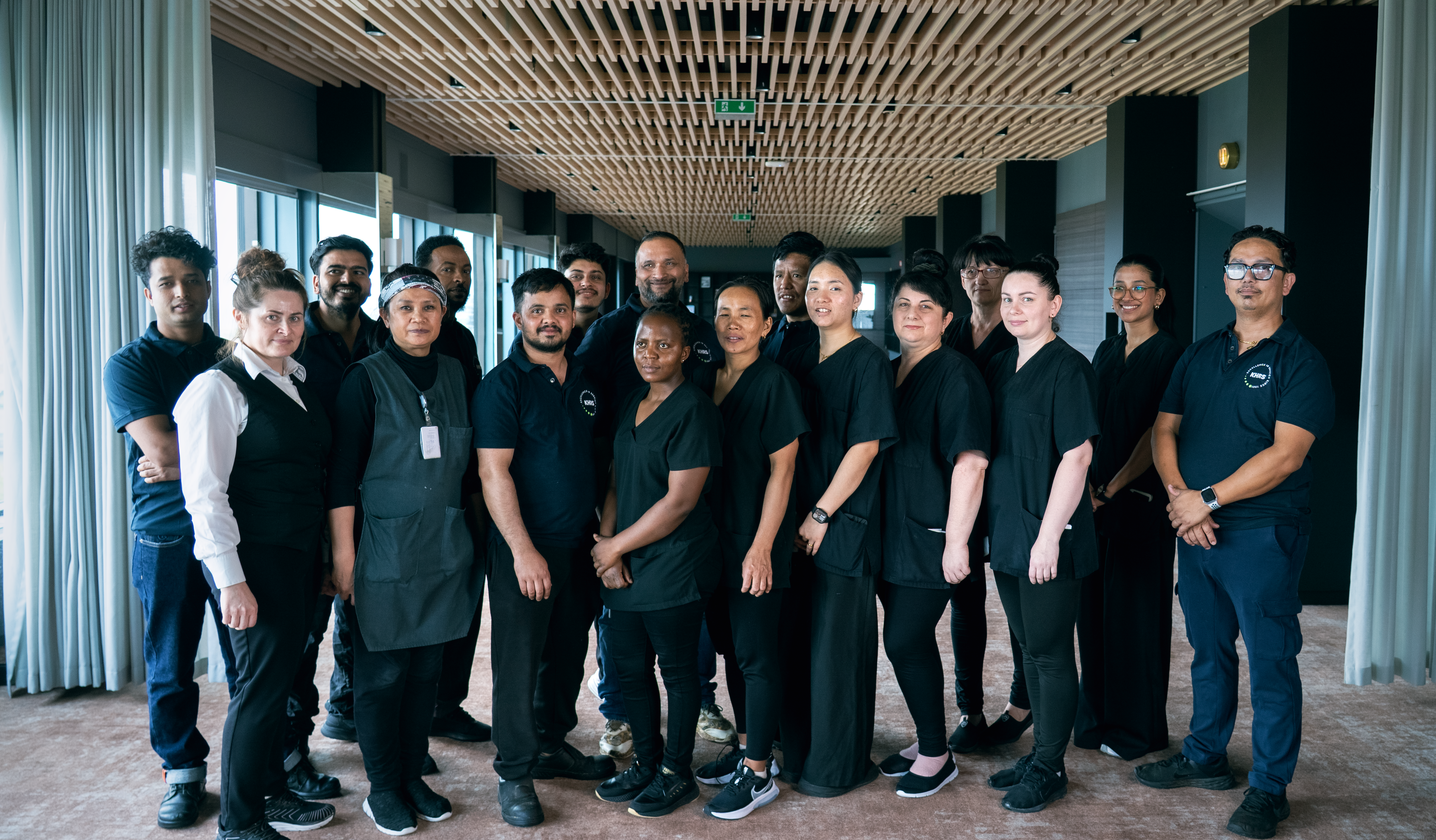
Nordplus project 2023
This project involves a cooperation with representatives from the Nordic region. In this case, Denmark, Sweden, Norway, and Finland. Our goal is, through discussions, workshops, and online meetings, to develop a selection of introductory videos for migrant workers in their native language. This way, these people can be made aware of what expectations they have to meet in their desired field of work, as well as how rules and regulations differ from country to country. This is done as a response to promote integration, as well as attempting to meet the high demand of labor in the healthcare sector, the construction and logistics industry, as well as the restaurant and hotel industry.


